NEWS
E. coli Interventions
By Matt Finch, DVM / March 25, 2024 / Reading Time: 4 minutes

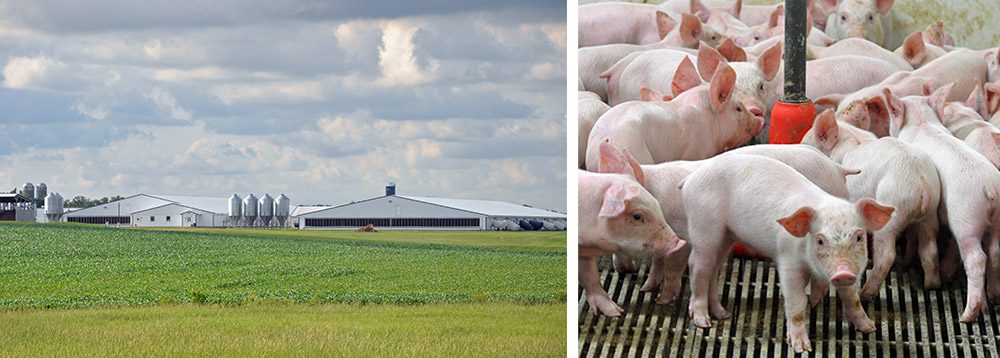
Escherichia coli (E. coli) is a common cause of post-weaning diarrhea in pigs. It often comes on very quickly and can result in high morbidity and mortality if left untreated. The disease may also come on so quickly that death occurs before diarrhea even develops. The swine industry has seen an increase in E. coli challenges recently and this article is aimed to inform you how to better handle this frustrating disease.
Enterotoxogenic E.coli (ETEC) produce fimbria, which are like little fingers, that allow the bacteria to adhere to receptors lining the gut. Once adhered these bacteria elaborate various toxins that cause secretory diarrhea leading to acute dehydration and death. The most common ETEC isolates are referred to as F4(K88) and F18. The ISU VDL has seen an increase in ETEC cases recently, especially F18 cases, and these cases are showing more toxin gene involvement1. To make matters worse, antibiotic sensitivity reports have shown that very few, if any, approved antibiotics are effective in most of these ETEC cases. Given the lack of success with antibiotic intervention, many other interventions strategies.
have been explored with varying results. Success is often the result of a combination of interventions rather than a single intervention.
The first intervention step is to properly diagnose the disease. With the often rapid onset of E. coli, it is important to involve a veterinarian who can diagnose the disease and prescribe a treatment that will be most effective. Samples should be submitted to a diagnostic lab to confirm the diagnosis and evaluate antibiotic sensitivity. Antibiotic therapy is typically the next step and may involve mass injection or oral administration of the appropriate drug. If oral therapy is administered, individual identification and treatment of the pigs most affected is always needed, since they will not be drinking enough water to receive the proper treatment dose.
The best intervention is prevention, and several preventative steps have shown to help prevent E. coli. Some important areas to consider would be water quality analysis, use of competitive exclusion vaccines, diet modification, and environmental management.
Water quality is very important and highly variable from site to site, and even turn to turn at the same site. Water sample testing to evaluate water quality is something to consider if problems are recurring. Work with a veterinarian to help interpret the results and determine water treatment options that would best suit your farm. Disinfection and/or filtration of water on swine production sites is becoming common and results have been favorable when an effective system is installed. Water pH should be between 4.5-5, and pH meters are inexpensive and a good tool to ensure proper pH. Acidification of the gut for the first 21 days post-placement using citric acid is a strategy that has shown success in the field. Adjustments to the amount of citric acid being administered may need to be made depending on the pH of the water at the site.
Competitive exclusion inoculants have been effective tools in the field. These live inoculants are made by isolating a non-toxogenic F18 or F4 E.coli strain and culturing it in growth media in a lab. The inoculant works by adhering to the cells of the intestine, thereby blocking the attachment of the ETEC. Success is heavily dependent on the timing of administration and in certain cases it may be useful to inoculate the same group of pigs more than once. A general recommendation is to administer the inoculant 3-5 days prior to when the pigs are normally exposed to the F18/F4.
Diet modification is another tool to consider. Step up rations can help tailor diets to match the maturity of the pig gut. Limiting crude protein levels in nursery diets to <20% has helped control E. coli challenges in the field. Increasing zinc in nursery diets to 2500-3000 ppm has been shown to increase ADG and reduce the occurrence of diarrhea. Adding non-fermentable fiber to the diet in the form of rolled oats (200 lbs/ton) is another intervention that has been applied in the field with some success.
Lastly, environmental management is crucial to preventing E.coli. Ensure the environment is kept clean and comfortable. Pre-warm the barn at least 24 hrs prior to the arrival of the pigs. Set points should be appropriate for the age of the pig (84-85 degrees Fahrenheit for weaned pigs) and gradually dropped over time. Tight regulation of minimum ventilation is needed to reduce drafts but still get rid of humidity. Cold stress and high humidity can trigger an E.coli outbreak. Appropriate barn cleaning and disinfection protocols need to be followed with an all-in-all-out schedule. Foaming on a degreaser/detergent prior to washing the barn allows for better cleaning, especially if you are not able to use hot water. The barn should be completely dry before pigs are moved in. Standing water in cup waterers and feed pans should be removed using a leaf blower as these areas are often overlooked and not allowed to dry completely. On continuous flow sites an occasional de-pop and clean-up of the nursery has proven to be effective not only in eliminating E.coli from the environment, but also in breaking disease cycles caused by other pathogens such as PRRSv. Additional steps such as removing nipple waterers and soaking them in bleach, or another cleaner may be necessary especially if you find that the disease continues to reoccur in subsequent turns.
E. coli can be very challenging to control and most often requires a combination of several interventions. Situations where ETEC is present but does not respond to any of the above interventions may require additional diagnostic investigation as additional pathogens may be present.
1Hess, A. (2022, April 21). Why are we seeing more F18 now?, National Hog Farmer
Related Services: Herd Health, Research